If you want equipment with broad market acceptance and predictable day-to-day performance, Wabash trailers for sale remain a strong starting point. Wabash sits in a practical sweet spot for many operations because the brand is widely recognized, easy to place across different lanes, and familiar to both drivers and maintenance teams.
Whether you run one truck or manage a growing fleet, the underlying benefit is consistency: a trailer platform that supports steady uptime, straightforward service planning, and resale demand that stays active in many markets.
On this page, you can browse Wabash inventory by trailer type, compare specs quickly, and narrow down to what fits your freight. If you primarily move general freight and work loading docks every day, focus on Wabash dry van trailers for sale. If your work requires open-deck flexibility for materials that do not fit inside a box, explore Wabash flatbed trailers for sale and evaluate them through a securement-first lens. Either way, Wabash remains a practical choice in the broader trailers for sale market because it matches the needs of high-frequency, real-world transport.
Experienced buyers evaluate trailers as business tools, not trophies. The questions are usually direct: Will this trailer load efficiently, run reliably, and stay serviceable without constant surprises? Wabash earns attention because it tends to check many operational boxes that matter to working carriers:
That “mainstream strength” is not glamorous, but it is valuable. When you cannot afford downtime or missed appointments, consistency becomes a competitive advantage.
For many carriers, dry vans carry the business. Wabash dry van trailers for sale are built for high-frequency dock work, general freight versatility, and efficient loading routines. If your lanes include retail distribution, warehouse freight, palletized goods, or mixed shipments that need protection from weather and road spray, a dry van remains the most scalable trailer type.
Dry van work is repetitive. The trailer should support fast turns at the dock without constant small failures. When comparing Wabash dry vans, look beyond year and focus on practical performance factors:
These details matter because they directly affect how smoothly you load and unload. A door that sticks, a seal that leaks, or a floor that is compromised can turn a simple pickup into a delay and can create disputes at the receiver.
Dry vans earn their place because they handle a wide variety of freight. They protect loads from rain, wind, road spray, and debris. That matters on long runs, but it matters just as much in local lanes where sudden storms can destroy unprotected freight. If your freight is boxed, palletized, or packaged goods that needs consistent protection, a dry van remains the most straightforward tool.
A lot of operators prioritize air ride suspension because it delivers a smoother ride and helps protect freight from harsh vibration. Air ride can reduce load shifting stress, improve ride quality on rough pavement, and help lower the risk of damaged goods on sensitive shipments. If you haul electronics, packaged goods that can crush, or any freight where condition at delivery impacts claims, air ride is not just a comfort feature. It can be part of risk management.
When you see air ride in a listing, it is still worth confirming the overall suspension condition. Ride quality depends on maintenance, not just the label.
Wabash vans often make sense because they support predictable service planning. Tires, brakes, lighting, and standard wear items will always exist, but a well-maintained van trailer usually stays easier to budget for than niche equipment with specialized parts.
If you are buying used, take a practical view of cost:
A van that looks “okay” but needs multiple repairs right away can quickly erase the savings of buying used. A slightly higher-priced used trailer with clean doors, solid floor condition, and healthier running gear can be the better deal over the next 12 months.
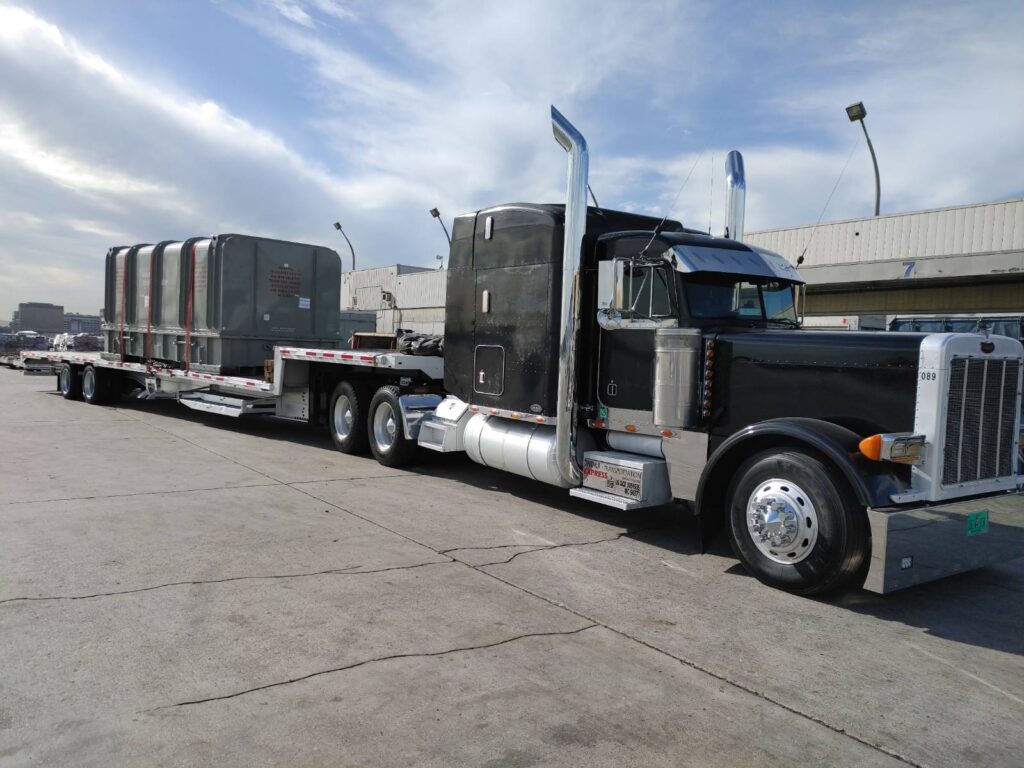
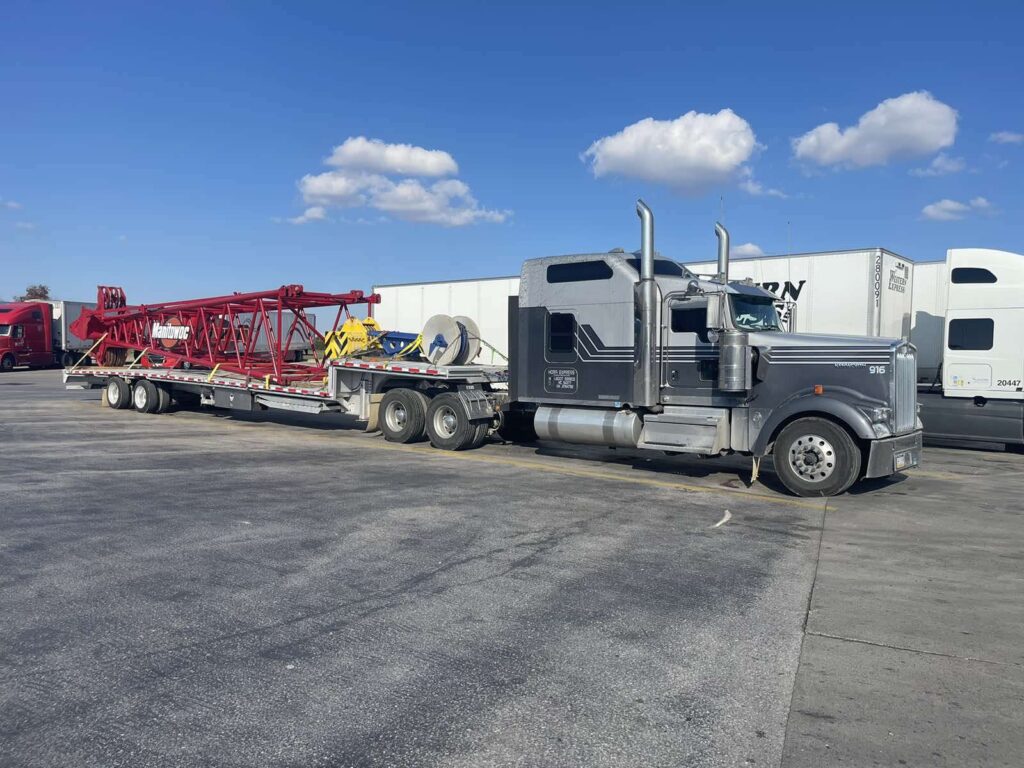
While Wabash is best known in dry van categories, Wabash flatbed trailers for sale can still be a relevant option depending on the inventory available and your freight needs. Flatbeds solve a different problem than dry vans. They give you full side access and the ability to haul irregularly shaped freight, long materials, and loads that do not fit inside an enclosed box.
If you run steel products, lumber, construction materials, or crated machinery, a flatbed can open up load options. The key is evaluating flatbeds properly, because open-deck work depends heavily on securement.
When you compare Wabash flatbeds, start with the securement system and deck condition:
Flatbeds take visible wear, so condition tells a story. A trailer with consistent wear and clean structural lines usually indicates healthier use than a trailer with patchwork repairs and uneven deck edges.
A Wabash flatbed can be a practical choice if you want a recognizable brand and your loads match standard flatbed routines. If your operation is heavily open-deck focused, compare Wabash flatbeds to the securement ergonomics you expect from dedicated flatbed manufacturers. The “right” flatbed is the one that helps you secure loads faster and with less improvisation.
Wabash inventory draws interest across both new and used markets.
New Wabash trailers can support:
New units can be the right choice when uptime is critical and you want predictable performance.
Used units can deliver strong value if condition is sound and the trailer fits your route profile. When shopping used Wabash dry vans, focus on:
For used Wabash flatbeds, focus on:
Used buying becomes easier when you separate cosmetic issues from structural or functional issues. A few scratches matter less than a floor that needs replacement or doors that do not seal.
To avoid wasting time, define your primary use case first:
Then narrow further using features that impact your weekly results:
If you run a mixed operation that uses both vans and flatbeds, a two-category approach often works best: keep vans for general freight and reserve flatbeds for open-deck loads that require side access.
Explore our current trailers for sale in the Wabash category and filter by trailer type, length, and key specs. If your operation relies on fast dock turns and broad freight versatility, start with Wabash dry van trailers for sale and prioritize condition, door integrity, and suspension. If you need open-deck capability, check Wabash flatbed trailers for sale and focus on deck health and securement usability.
If you want help narrowing down the best Wabash configuration for your operation, share what you haul, typical lane distance, and any must-have features like air ride. A few practical details can quickly point you to the trailer that will perform best in your day-to-day work.