If you operate in open-deck freight, you already know that a trailer is not a commodity. Spec, geometry, and securement workflow shape your productivity as much as your tractor does. That is why Benson trailers for sale consistently attract experienced owner operators and fleet buyers who want a build that performs under repetitive loading cycles, uneven job sites, and high-frequency securement.
Benson’s lineup aligns well with steel, construction, and industrial freight because the brand typically emphasizes practical deck layouts, robust running gear options, and the kind of securement features that reduce improvisation on the roadside. On this page, you can explore Benson flatbed trailers for sale, Benson Conestoga trailers for sale, and Benson drop deck trailers for sale (step deck configurations), then narrow down to the trailer that matches your lanes, payload strategy, and compliance realities.
Seasoned buyers tend to evaluate trailers through an operational lens: how quickly they can load, how cleanly they can secure, and how consistently the platform holds alignment after months of real work. Benson typically appeals because it offers a balance between lightweight efficiency and structural confidence, especially in configurations that support high-turn freight.
Three practical reasons you see repeat interest:
Flatbeds remain the broadest solution set for open-deck freight. If your load mix changes weekly, a flatbed gives you the latitude to accept steel bundles, lumber, mixed pallets, crated machinery, and construction materials without constantly rethinking your platform. That is why Benson flatbed trailers for sale continue to be a first stop for operators who prioritize versatility.
When you compare flatbeds, experienced buyers usually look past year and paint and focus on structural indicators and securement architecture:
Flatbeds live in harsh environments. A clean deck edge and consistent wear often tell you more than a polished photo set.
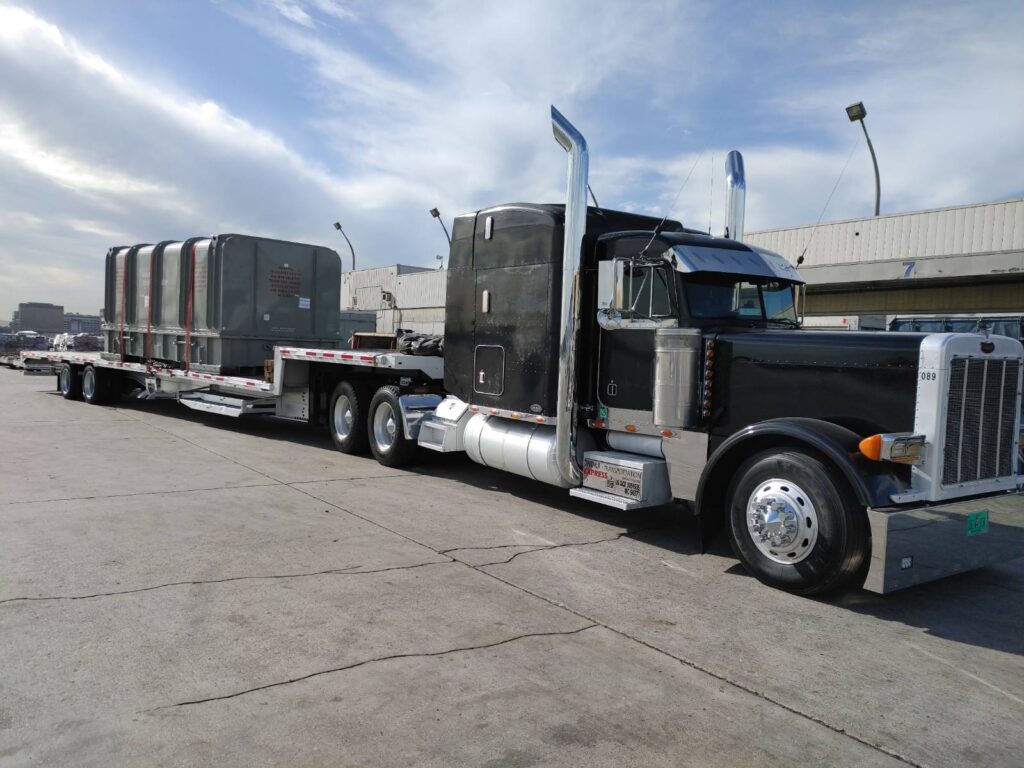
Axle configuration is not a footnote, it is a control lever. Many operators specifically seek a spread axle because it can improve stability and distribute weight across a longer wheelbase, depending on the freight profile and route realities. It can also influence tire wear and handling characteristics, especially under heavier, denser loads.
You also highlighted rear sliding axles, and that feature can be a meaningful advantage when your load placement changes frequently. Sliding rear axles let you fine-tune weight distribution and compliance positioning without compromising how the load sits on the deck. For mixed steel, machinery, or irregular footprints, that adjustability can reduce rework at the scale and lower the frequency of “close enough” compromises.
When you evaluate a spread or sliding configuration, consider:
The right axle strategy reduces friction. The wrong one creates constant micro-problems that compound over weeks.
For open-deck operators, time is often lost in securement, not driving. That is why many buyers filter hard for sliding winch systems. Sliding winches increase strap placement precision without forcing awkward angles or makeshift solutions. If your freight varies in width and tie-down points, a trailer with a well-planned winch track and an adequate winch count can materially improve turn times at pickup and delivery.
When reviewing winch equipment, look for:
A trailer that supports clean securement reduces both risk and fatigue, which matters on weeks when you run hard.
If you want flatbed flexibility but you are tired of fighting tarps in wind, cold, or time pressure, Benson Conestoga trailers for sale can be a compelling upgrade. The rolling tarp system delivers rapid coverage while maintaining side loading access, which can be especially valuable for freight that must stay clean, dry, or concealed.
Operationally, Conestoga setups make sense when:
When shopping Conestogas, evaluate the roll system’s smoothness and structural health. The whole value proposition depends on the system operating reliably. Binding, misalignment, or worn hardware turns a productivity feature into a liability.
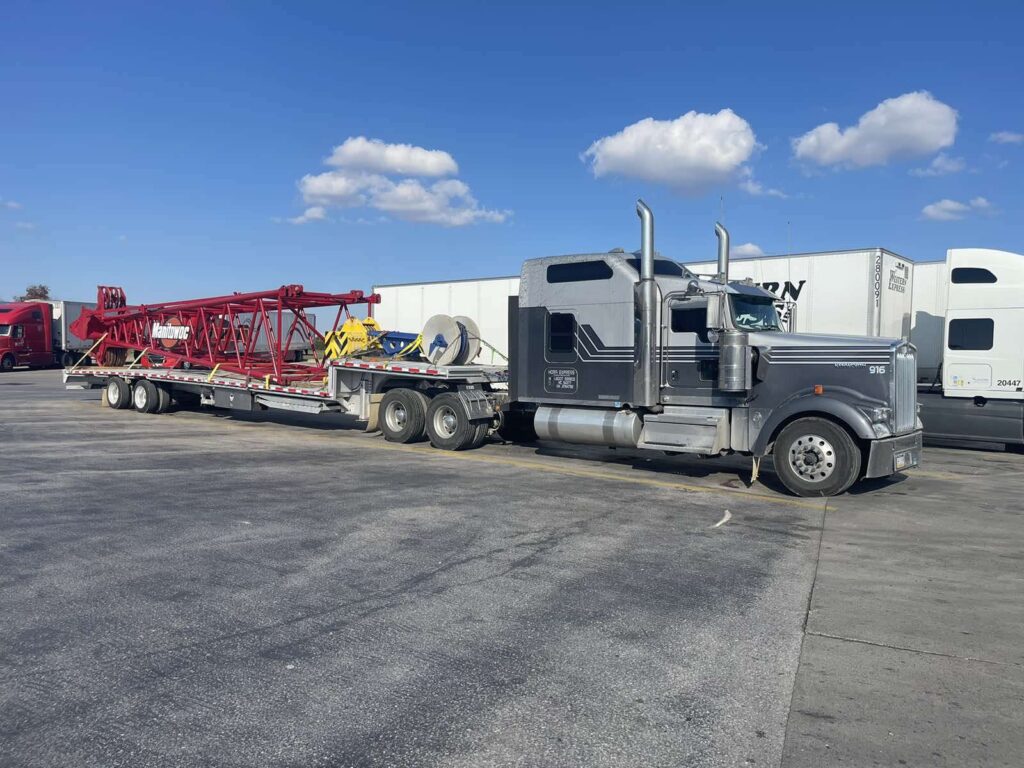
A drop deck trailer (step deck) becomes the correct tool when height is the limiting factor. Lower main deck height can unlock freight that runs too tall on a standard flatbed while preserving the open-deck workflow that many operators prefer. That is why Benson drop deck trailers for sale remain a steady demand category.
When evaluating step decks, experienced buyers typically focus on:
The goal is to gain clearance without losing usability. A step deck that complicates loading angles or securement can negate the advantage.
If you want to narrow quickly, start with application, not brand loyalty:
Then validate the details that drive real-world performance: axle strategy, securement systems, deck condition, and running gear health. This is where the best value usually appears, because two trailers at similar prices can deliver very different weekly outcomes.
Benson remains a strong option across trailers for sale in open-deck categories because the brand often aligns with the practical needs of working operators. If your work depends on fast securement, predictable handling, and equipment that stays straight under repetitive use, focus on Benson listings that combine the right axle configuration with a securement layout that matches your freight.
Browse the inventory, shortlist a few candidates, and compare them against your most common load types. A trailer that fits your workflow will outperform a trailer that merely fits your budget.