The first time I learned what a flatbed could do, it happened in the dark.
A driver named Mike rolled into a gravel yard before sunrise. The air smelled like diesel and wet wood. A forklift beeped somewhere behind a stack of pallets. Mike did not talk much. He just walked the line of trailers like he read a story from steel.
He stopped at a flatbed. He ran a hand along the rub rail. He tapped a stake pocket with his knuckle. Then he said one sentence.
“This trailer feeds my family.”
He did not mean the trailer looked nice. He meant it fit the work. It loaded fast. It strapped down clean. It handled odd freight without drama. That is why flatbeds stay popular. They solve problems with space, access, and speed.
If you want to browse options, start with these flatbed trailers.
What makes a flatbed different
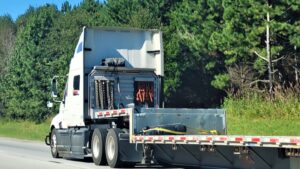
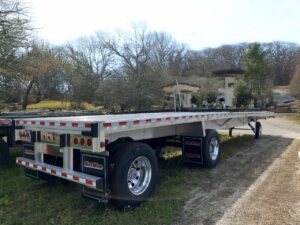
A flatbed gives you an open deck.
No walls. No roof. No doors.
You can load from the sides. You can load from the rear. You can even load from above with a crane.
That open design turns into real money when freight comes in weird shapes.
Steel coils, lumber, machinery, building materials, pipe, containers, even odd pallets that do not fit inside a box trailer.
A flatbed does not argue. It just carries.
The main types of flatbed trailers
Mike once told me this.
“Pick the wrong flatbed type and you fight your trailer all week.”
So here are the common types, explained like you need to use them tomorrow.
Standard flatbed
This is the classic workhorse.
It fits general freight. It loads fast. It keeps things simple.
Choose it when you haul pallets, lumber, steel, building materials, and equipment that does not need height help.
Extendable flatbed
This one stretches.
You pull it longer for long loads like pipe, steel beams, or oversized lumber.
Choose it when length changes job to job.
Steel flatbed vs aluminum flatbed
Steel feels tough and steady. It can take abuse.
Aluminum cuts weight. It can help with payload and fuel. It also fights corrosion better in many cases.
Choose based on your lanes, your weather, and how hard your loads hit the deck.
Key specs that decide if a flatbed fits your work
Specs sound boring until they cost you a load.
So think like Mike.
Every spec must earn its place.
Length
Common lengths often sit around 48 to 53 feet in many fleets.
More length gives you more flexibility. It also changes turning and parking.
Match length to your routes and docks.
Width
Most flatbeds run around 102 inches wide.
That width gives you space for pallets and standard freight.
Deck height
Lower deck height can make loading safer and more stable. It can also help with some clearance limits.
GVWR and payload
This part matters the most.
GVWR equals the max legal weight for trailer plus load.
Payload equals GVWR minus trailer weight.
If you haul dense freight like steel or machinery, payload rules your life. Do the math before you commit.
Axles and suspension
More stability matters when you run heavy.
Air ride can help protect sensitive loads and improve ride quality.
Spring suspension can feel simple and durable, depending on your operation.
Brakes
Brakes must match your weight and routes.
If you run hills or heavy freight, treat brakes like a priority, not a checkbox.
Best uses for a flatbed
A flatbed shines when you need access.
It shines when you need speed.
It shines when freight refuses to fit inside a box.
Here are the real world best uses.
Lumber and building materials
Forklifts load from the side in minutes.
Straps and edge protectors do the rest.
Steel and pipe
Flatbeds handle long, heavy pieces with the right securement.
You gain loading options that enclosed trailers cannot give.
Machinery and equipment
You can load with ramps or a forklift, depending on the cargo.
You can tie down at multiple points.
Palletized freight that needs flexibility
Some loads do not need walls. They need fast turns.
Flatbeds help when time matters.
Securement is the real skill
The deck carries the weight. Securement keeps you safe.
A flatbed driver learns this fast.
Straps work great for many loads. Chains handle heavy equipment and steel.
Use edge protectors. Protect your straps. Protect your cargo.
Check your tie downs after the first few miles. Freight settles. Your straps can loosen.
If you take one lesson from Mike, take this.
The load does not forgive shortcuts.
Features that make life easier
Some flatbed features feel small. Then you use them every day.
Rub rails help with securement points.
Stake pockets add flexibility for boards, posts, and tie downs.
Winches speed up strapping on certain freight.
Headache racks can protect you and your cab when freight shifts.
A clean deck surface helps with stability and traction.
How to choose the right flatbed for your lane
Mike’s method sounds simple, but it works.
He asks three questions.
What do I haul most weeks
Where do I load and unload
What causes delays and damage
If he hauls long pipe, he wants an extendable.
If he hauls general building materials, he wants a standard.
If he hauls heavy and dense loads, he watches trailer weight and payload.
If he fights corrosion, he thinks about materials and coatings.
He does not buy for one perfect day.
He buys for the average week.
A quick checklist before you commit
Use this list and save yourself headaches.
Know your common cargo types
Know your average load weight and max load weight
Confirm payload math
Choose the right length for your routes
Check deck height needs
Check axles, suspension, and brakes
Inspect rub rails, stake pockets, and tie down points
Look for frame issues, cracks, and uneven tire wear on used units
Plan your securement gear list before the first haul
The ending of the story
After sunrise, Mike finished loading.
He pulled out slow. The chains sang a little as they tightened under tension. He stopped after a few miles and checked everything. Then he got back on the road like the day belonged to him.
That is the point of a good flatbed.
It does not steal your time.
It gives it back.