Picture this real-world scenario.
You pull up to a job site at 8:00. The crew looks ready. Then you see the pile. Dirt. Broken concrete. Branches. Roofing tear off. The kind of mess that eats your whole day.
You can do it with a pickup bed, tarps, or wheelbarrows—but you’ll lose time, energy, and money.
That is where a dump trailer changes everything.
Ready to see the options? Head to Liberty Trailer Mart to browse dump trailers and find the right fit for your job, then learn exactly what they do best.
What a dump trailer does best
A dump trailer moves messy materials quickly.
Load it, haul it, dump it in seconds, then get back to work.
It fits jobs like:
Landscaping runs with soil, mulch, and rock
Demo cleanup with brick and concrete
Roofing tear-offs
Farm chores and property work
Scrap and junk hauling
How a dump trailer works
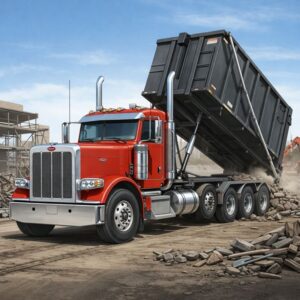
The bed lifts with hydraulics.
A battery powers a hydraulic pump. The pump pushes fluid to the lift system. The bed rises, and material slides out.
Most dump trailers use one of these lift styles:
Scissor hoist
Single ram
Telescopic cylinder
You control the lift with a switch. Some trailers use a wired control. Some use a wireless remote.
Bumper pull vs gooseneck
This choice affects how the trailer feels on the road.
A bumper pull dump trailer offers simplicity. It is ideal for shorter distances and navigating tight areas, especially when compared to alternatives.
A gooseneck dump trailer provides greater stability than a bumper pull. Spreading the weight over the truck bed improves handling with heavy loads.
If you haul heavy almost every day, the gooseneck feels better most of the time. If you want quick hookups and easy maneuvering, bumper pull often wins.
Size and capacity in normal words
Most people start shopping by length, but remember, the material you transport matters more.
Rock and wet soil get heavy. Brush and mulch take up space but weigh less.
Think in two directions:
How much space do you need
How much weight do you plan to carry
Don’t guess. Learn the weight of what you haul most. Pick a trailer for your heaviest day, not average.
The numbers you must understand
Three terms run the whole game:
GVWR: the max legal weight of trailer plus load
Empty weight: the trailer by itself
Payload: how much you can actually haul
Payload equals GVWR minus empty weight.
That one line saves people from expensive mistakes.
Steel vs aluminum
Steel trailers are tough and handle hard use well. Many contractors choose steel for its durability and resistance to rough work compared to other materials.
Aluminum trailers weigh less than steel and resist corrosion more effectively. This can increase your payload margin and reduce concerns about rust compared to steel trailers.
Either choice works. Base your decision on your route, climate, and how you use the trailer.
Features that actually matter
Some add-ons seem optional until you use them.
Tarp system
Keeps debris in. Avoids headaches on the road.
Rear gate style
Barn doors help when you load equipment. A combo gate gives you flexibility. A spreader gate helps when you lay gravel.
Ramps
Helps with skid steers and small machines, if your trailer supports it.
High sides or side extensions
Helps with bulky loads, such as brush and demo trash.
Toolbox
Keeps chains, straps, and tools in one place.
Brakes, axles, and tires
A dump trailer carries serious weight. Your running gear matters.
Check these before you buy:
Axle rating
Tire load rating
Brake type and performance
Spare tire mount and jack points
If you tow in hills, brakes matter even more. If you tow in traffic, brakes matter even more.
Loading and dumping habits that keep you safe
Dumping looks easy. It can get dangerous fast on bad ground.
Use a simple routine:
Park on firm, level ground
Chock wheels before you lift
Load heavy material low and forward
Raise the bed slowly
Stop if the load sticks or moves
Lower and reset before you try again
Never dump on a slope. Never dump with the trailer twisted. Never try to “shake” the trailer loose.
When a dump trailer makes more sense than a dump truck
A dump truck costs more. It also ties up one vehicle for one job type.
A dump trailer offers flexibility. Tow it when needed. Unhook it when not.
That helps small crews a lot. It also helps owner operators who run mixed work.
Still wondering who benefits most? Here’s who sees real value from adding a dump trailer.
Dump trailers fit a lot of trades:
Landscapers
Roofers
Concrete crews
Handymen and property managers
Farmers
Small hauling businesses
If you move material all week, a dump trailer can become your best tool.
Quick buying checklist
Before you commit, answer these:
What material do I haul most
How heavy does it get when wet
Do I need a bumper pull or a gooseneck
What bed size fits my daily jobs
What payload do I need for my heaviest day
Do I want tarp, ramps, barn doors, spreader gate
Can my truck tow this safely and legally
Bottom line
A dump trailer saves time. It saves labor. It saves your back.
Pick the right size for your material. Respect the weight math. Choose the hitch that fits your work.
Then you stop fighting the pile.
You start finishing the job.