Consider the following scenario.
Picture arriving at a busy yard, evaluating several flatbeds and step decks. You identify one that suits your routes, with a clean deck and even tires, ready for immediate use.
Then the real question hits. How do you pay for it without crushing your cash flow?
Trailer financing can help you grow fast, but it can also trap you in a difficult monthly payment. To help you make the right choice, let’s discuss the details in everyday terms instead of sales language.
Start with the real price, not the sticker
The trailer price matters, but it never tells the full story.
Make a list before you fall in love with a unit:
- Taxes and registration
- Title and plates
- Delivery or pickup costs
- Insurance changes
- First service and small fixes
- Ramps, winches, straps, chains, binders
- Toolboxes, spare lights, spare airlines
- Tires or brakes, if the unit needs them soon
Now add a buffer. Stuff always pops up.
Choose a monthly payment you can cover in your slowest season. This keeps your business steady, no matter the market.
Buy the trailer that fits your daily work
Always select a trailer for your routine loads, not for rare exceptions. Serving daily needs wins every time.
Ask yourself:
- What do I haul most weeks
- Where do I load and unload
- Do I need side access
- Do I fight height limits often
- Do I run heavy equipment and tall machines
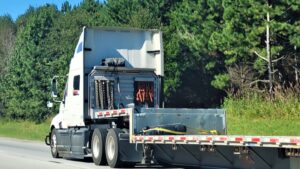
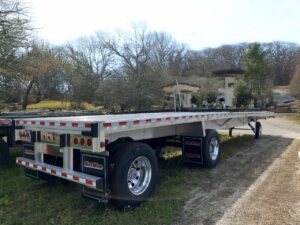
A flatbed works great when you load from any side and hit docks often. A step deck helps when height becomes a problem, and you want a lower deck for stability.
Do not finance a trailer that forces you to “make it work” on every job. That stress costs money.
Get honest about your credit before a lender does
Before you apply, take a hard look at your credit and your paperwork.
Pull your credit report. Fix errors. Pay down small balances if you can. Even one small move can help your rate.
Also, look at your bank deposits. Lenders love consistency. They want to see steady income, not random spikes.
You don’t need perfect credit—just a clear, honest view. Lenders appreciate transparency.
Learn the four parts that shape every loan
Most trailer loans come down to four levers. If you understand them, you negotiate like a pro.
1) Rate and APR
The rate affects your payment. APR shows the true cost, including fees. Always compare APR, not just the advertised rate.
2) Term length
A longer term lowers the payment. It also raises the total interest you pay. A shorter-term plan costs more each month, but you keep more money in the long term.
Match the term to how long you plan to run the trailer hard. Do not extend the loan beyond the trailer’s best working years for your business.
3) Down payment
More down often helps the deal. It can lower the rate. It can reduce lender risk. It also keeps you from going upside down early.
Do not drain your cash for a down payment. Keep reserves for fuel and repairs to stay flexible.
4) Fees and add-ons
Ask about every fee. Origination. Doc fees. Processing fees. Anything “optional.”
If an add-on isn’t necessary, decline it.
One more tip. Ask for an amortization schedule. You want to know how the lender applies extra payments to principal.
Pick the right financing source for your situation
You have a few main routes. Each one fits a different buyer.
Dealer or in-house programs
You can move fast. Paperwork is simple. Rates vary a lot, so compare.
Banks and credit unions
They often reward strong credit. They can offer great rates if your file looks clean.
Equipment finance lenders
They can work well for newer businesses or unique situations. They also tend to understand trailers better than a local branch teller.
Always get at least two quotes. Compare them side by side for APR, total cost, prepayment, and payoff. The best deal becomes clear when you do.
If you want to see flexible options in one place, start here: trailer financing options.
New vs used: pick based on uptime, not ego
New trailers usually bring less downtime. They also cost more.
Used trailers can save you real money, but you must inspect them carefully.
If you buy used, check these areas as your next paycheck depends on them, because it does:
- Hubs and bearings
- Brakes and air lines
- Lights and wiring
- Suspension parts
- Frame and crossmembers
- Tires for uneven wear
- Signs of poor alignment
Request service records. If the seller cannot provide the trailer’s history, consider other options.
Match the payment to your cash flow
This part matters more than most people admit.
A trailer payment is not affected by freight cycles. It shows up on time every month.
So build the deal around how you get paid:
- Do you run steady weekly loads
- Do you run seasonal contracts
- Do you see big slowdowns each quarter
If your revenue swings, ask about a structure that fits that reality. Some lenders offer seasonal approaches. Some do not. You will not know unless you ask.
Handle insurance before you sign anything
Call your insurance agent early. Do not wait until the last minute.
You may need:
- Physical damage coverage
- Liability adjustments
- Cargo coverage that fits your lanes and loads
A lender may also require them as a loss payee. Handle it upfront so you do not scramble on signing day.
Build a clean paperwork stack
You can speed approvals with one move. Bring a complete file.
Most lenders want:
- ID
- Business formation documents
- 3 to 6 months of bank statements
- Tax returns or a year-to-date P and L
- Insurance binder
- Bill of sale or purchase order
A complete and organized application speeds approval. A messy packet stalls the process every time.
Watch for red flags that cost you later
Some deals look great at first glance. Then the fine print bites.
Slow down if you see:
- Teaser rates that change later
- Big prepayment penalties
- Forced add-ons you never asked for
- Vague collateral terms
- Confusing payoff instructions
Ask questions until every answer is clear in plain language. If the lender is bothered, reconsider working with them.
Protect your payment with simple upkeep
Your trailer earns the money that pays the note. Treat maintenance like a money move.
Before trips, do quick checks:
- Tires
- Lights
- Brakes
- Hubs
Create a maintenance routine. Fixing small problems early keeps your trailer earning and prevents expensive downtime.
If your trailer no longer fits your main freight, don’t hold on for another year. Upgrade when needed. The wrong trailer slowly drains your business.
Common mistakes I see all the time
People make the same errors because they rush.
- They chase the smallest payment and ignore the total interest
- They forget delivery, title, and plate costs
- They delay insurance and lose time
- They accept harsh prepayment rules
- They buy a trailer that fits one job, not their core work
- They skip a real used-trailer inspection
Slow down, follow the process, and you’ll avoid costly mistakes every time.
Quick checklist before you finance
Use this list as a final gut check:
- Set your price range and down payment.
- Choose the trailer that fits most of your loads.
- Pull your credit and clean up errors.
- Prep bank statements and tax docs
- Get at least two financing quotes.
- Compare APR, term, fees, and payoff rules.
- Confirm insurance and plate costs.
- Read every clause in the contract.
- Set auto-pay and plan extra principal when possible.
- Follow a real maintenance routine.
Final thought
Financing a trailer can feel like a big leap. It does not have to feel risky.
Treat financing as a business strategy. Buy the right trailer, secure a reasonable payment, and keep your operation strong.
That’s how you finance with certainty and still sleep at night.